Structures Dismantled Without Damaging Surrounding Property
Light Demolition in Kansas City for removing sheds, decks, fencing, and interior fixtures before renovations
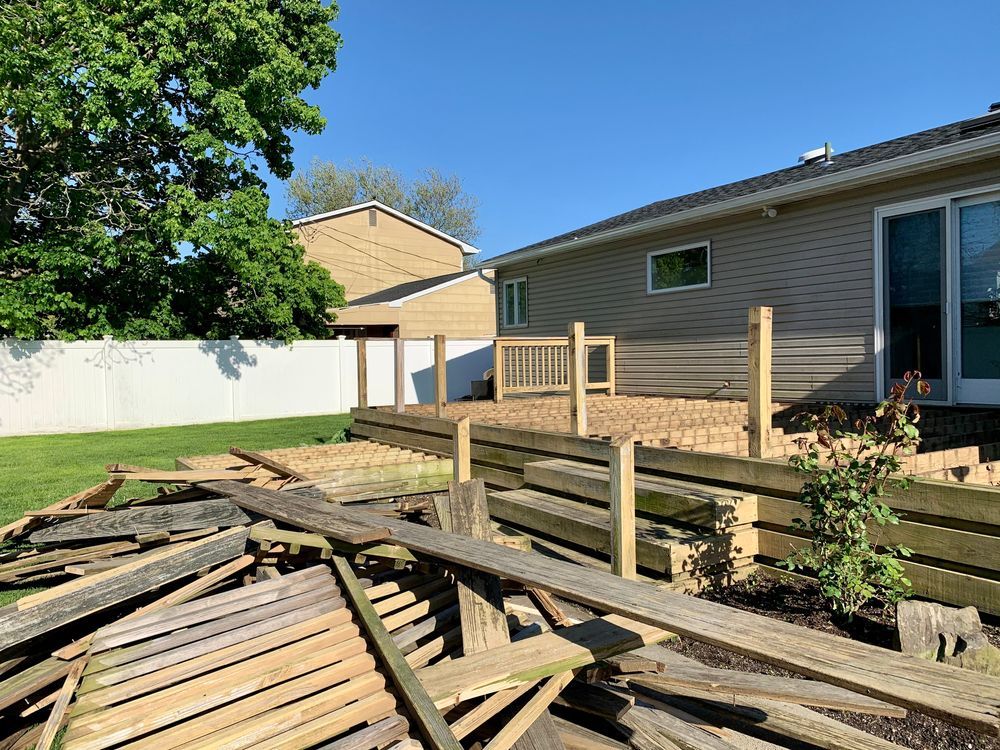
Aging sheds lean against fence lines, splintered decks create liability concerns, and outdated cabinets occupy space needed for kitchen remodels, but full-scale demolition contractors often decline smaller projects. Light demolition handles sheds, fencing, decks, cabinets, interior fixtures, and similar structures across Kansas City properties when replacement or removal becomes necessary. Jp Helping Hands Services plans each project to protect adjacent landscaping, existing structures, and underground utilities that run near demolition zones, using hand tools and smaller equipment that allow precision in tight spaces.
This service addresses situations where structures have deteriorated beyond repair, no longer serve their purpose, or must be cleared before new construction begins. Demolition often pairs with debris removal and site clearing, eliminating the need for separate contractors to haul material after dismantling finishes.
Request an on-site assessment to review demolition requirements and plan protection for nearby features.
What Changes After Demolition Completes
Careful planning begins with identifying utility lines, property boundaries, and features that must remain undamaged, such as adjacent fencing, mature trees, and paved surfaces. Crews dismantle structures in sections rather than toppling entire assemblies, which controls debris spread and reduces the chance of impact damage to surrounding areas. Interior demolition follows similar sequencing, removing fixtures and finishes in reverse installation order to preserve plumbing and electrical systems that stay in place.
Once demolition finishes, the site is cleared down to grade level or prepared subfloor, with all debris removed and no protruding nails, brackets, or foundation remnants left behind. Yards look open and level, ready for new landscaping or construction, while interior spaces become blank canvases for remodeling without the delay of coordinating separate cleanup services. Properties preparing for sale benefit from eliminating deteriorating structures that lower curb appeal or raise buyer concerns during inspections.
Complete debris removal follows every demolition project, with all material hauled from the property the same day when possible. Larger projects may require phased removal if material volume exceeds single-load capacity, but sites remain organized with debris consolidated in designated areas rather than scattered across yards.
What Property Owners Usually Ask
Homeowners planning demolition projects often ask about scope limits, timeline expectations, and how crews protect existing features during structure removal.
What structures qualify as light demolition versus full demolition?
Light demolition covers single-story outbuildings, detached structures under 400 square feet, interior non-load-bearing walls, decks, fencing, and fixtures that do not require heavy machinery or structural engineering. Multi-story buildings and load-bearing wall removal fall outside this scope.
How long does light demolition take for typical projects in Kansas City?
Single sheds or small decks typically require four to six hours, including debris removal, while larger structures like multi-section fences or full kitchen cabinet tearouts may take a full day depending on material type and site access.
Why does demolition planning focus on adjacent features?
Kansas City properties often have utility lines running near fence lines, mature tree roots extending under decks, and shared property boundaries close to outbuildings, so planning prevents accidental damage that creates costly repairs or neighbor disputes.
When should demolition happen relative to new construction schedules?
Completing demolition at least one week before new construction allows time for site inspection, debris clearing verification, and any necessary ground leveling or soil amendment that affects foundation or post placement for replacement structures.
What cleanup happens after demolition finishes?
Crews remove all demolition debris, sweep or rake affected areas, and check for protruding hardware or foundation remnants that could interfere with new construction or create safety hazards during site use.
Jp Helping Hands Services handles demolition with attention to surrounding property features, completing projects efficiently while maintaining clean, organized sites. Schedule light demolition to clear outdated structures and prepare your property for its next phase.